
By Blake Ragsdale & BCH Communications
Foster care and adoption can bring extraordinary joy. A child finds safety. Trust begins to grow. A family watches God work through a story that may have begun with uncertainty, loss or heartache.
But caring for vulnerable children can also be difficult, exhausting and, at times, lonely.
“The thing I didn’t expect was the grief that I would feel in transitioning from single working life, freedom and free time to parenting not just one child, but two who have experienced trauma,” foster parent Bailey explains. “But I’d rather live a life that’s hard and live a life that’s holy and know that these girls will know Jesus because I may have had to suffer a little bit.”
The heart behind Thrive is recognizing that saying “yes” to a child is only the beginning of the journey. The conference is a new BCH effort created to encourage families, provide resources and cultivate community. The goal is to build longevity and endurance for these families, walking alongside them through difficult seasons, equipping them for the challenges ahead and reminding them that they are not alone. Especially when foster parents like Bailey step into the journey for the gospel’s sake.
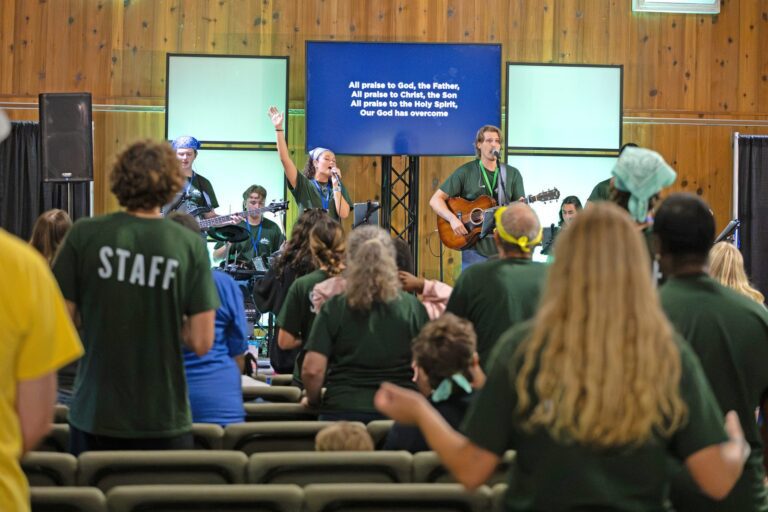
BCH’s inaugural conference for foster and adoptive families was held August 28-29 at Mercy Hill Church in Greensboro. The two-day gathering offered gospel-centered worship, biblical encouragement, practical training and opportunities to connect with others who understand the unique joys and challenges of fostering and adoption.
In addition to foster and adoptive families, Thrive also welcomed kinship caregivers, prospective foster and adoptive families, church staff and others with a heart for vulnerable children.
Thrive reflects BCH’s belief that caring for vulnerable children and the families involved are, at heart, ministry.
Families who open their homes continually pour themselves into children who may have experienced trauma, loss and uncertainty. There are rewarding moments worth celebrating, but ministry also brings challenging days.
Families can become tired. They can face obstacles for which there are no easy answers. And sometimes, those who dedicate so much of themselves to caring for others need someone to care for them.
Pouring into those who serve
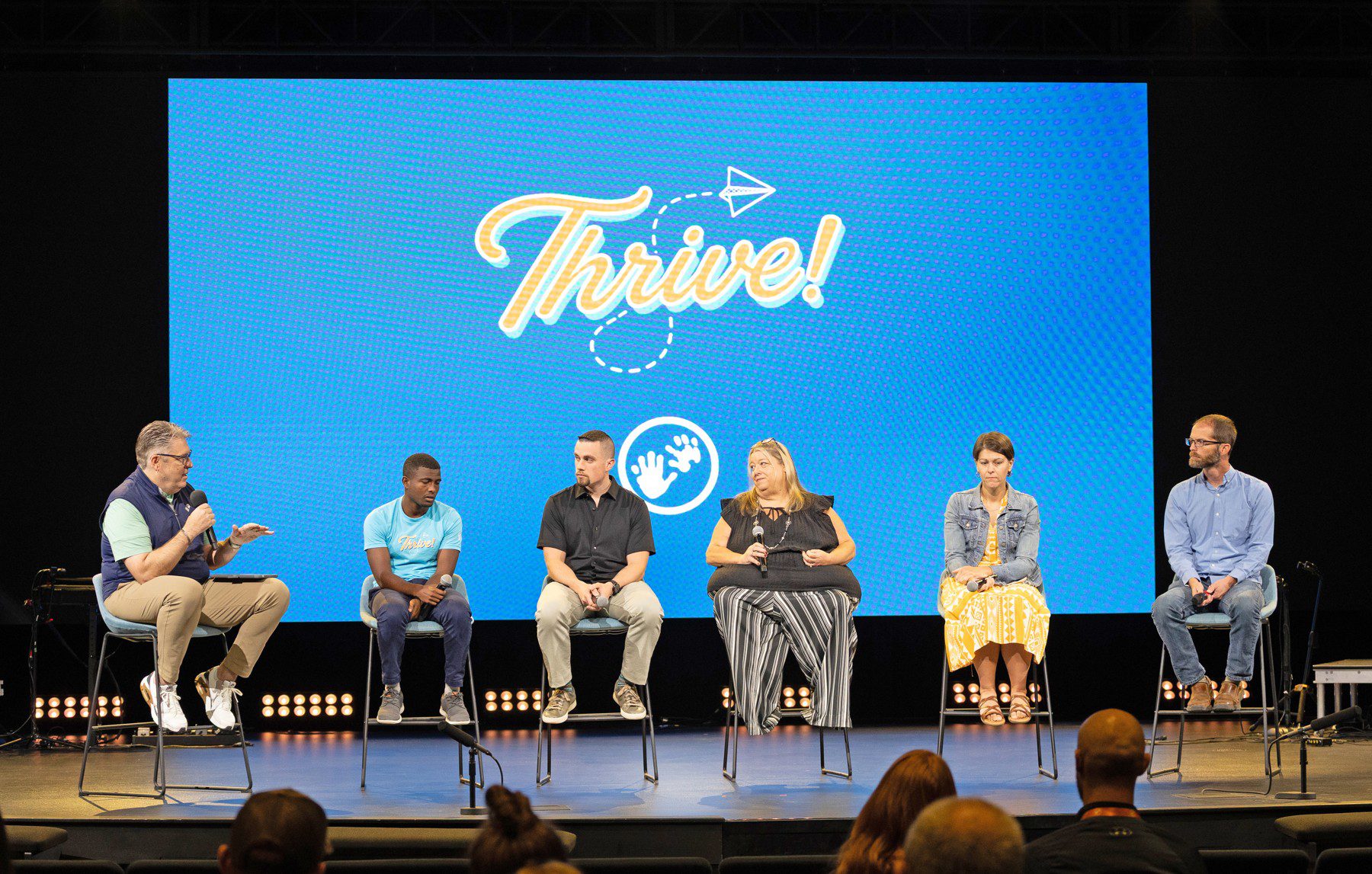
In welcoming families to Thrive, BCH President & CEO David Melber acknowledged both the significance of their calling and the sacrifices that often go unseen. He described their “yes” to a child as “holy work” and reminded them that they were never meant to carry that calling by themselves.
“Let these two days at Thrive do their work. Be poured into. Sit with families who understand without you having to explain. Take the training that makes the hard days a little easier to navigate,” David encouraged. “And remember that the gospel you are living out in your home is the same gospel holding you up while you live it.”
That was the purpose of Thrive: to create intentional space for foster and adoptive families to be poured into and leave encouraged, equipped and strengthened for the road ahead.
Equipped for the hard days
Encouragement was one part of Thrive. A second was equipping families for the journey.
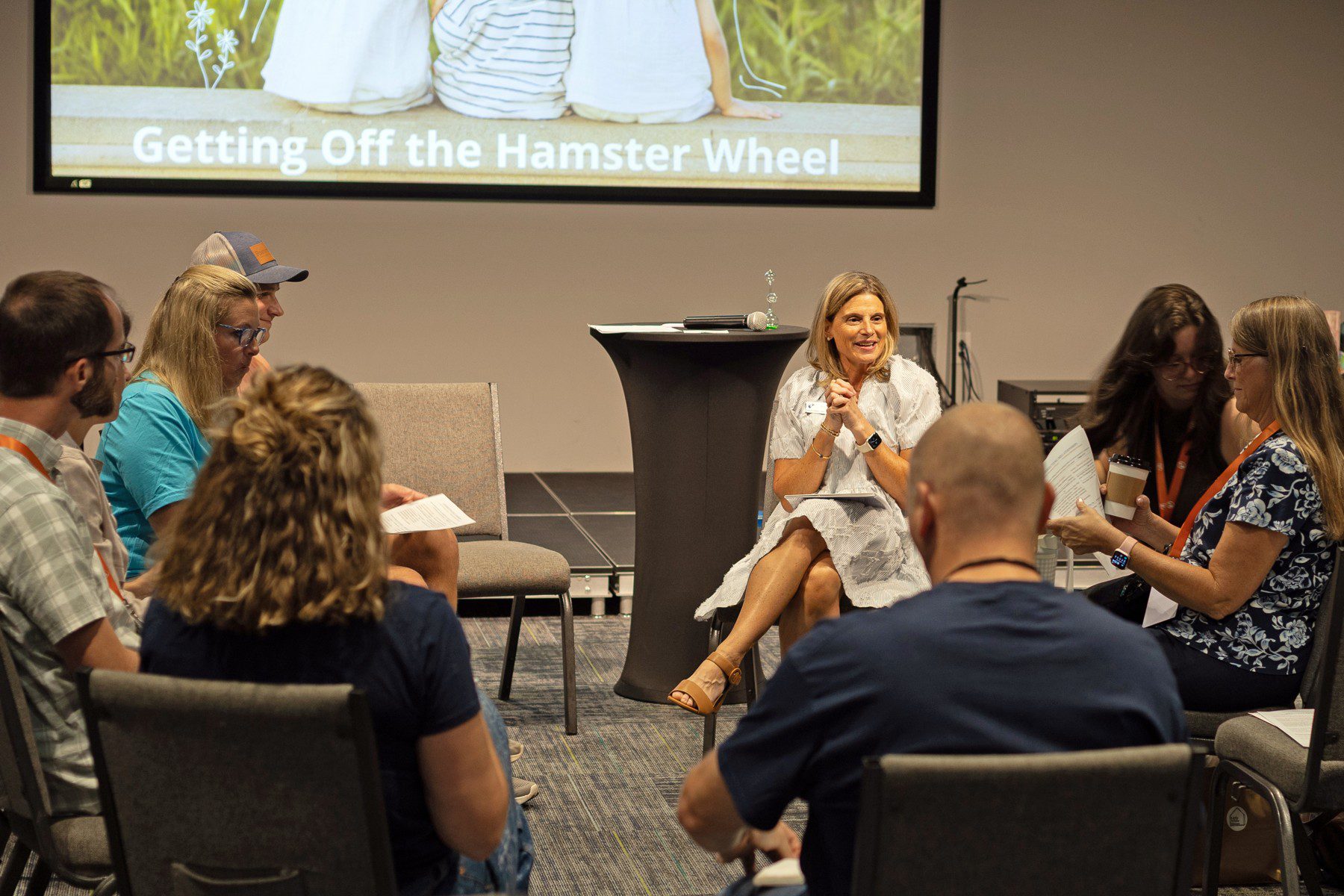
Across three breakout periods, participants explored topics ranging from caregiver resilience and supporting biological children to sensory needs, technology and raising children across cultures. In “Resurrecting Relationships,” Erica Spivey addressed blocked trust and blocked care and how understanding the neurological responses behind them can help renew weary relationships.
That session was particularly impactful for BCH foster parents Justin and Jessica Branch.
“Erica mentioned in that breakout that it wasn’t a character flaw. It was a neurological response,” Justin explains. “To know that there’s these things that are working within us and within these children, but to also know that with the hope of Jesus Christ, we can heal those things and resurrect those relationships.”
Rooted in the gospel
Understanding the practical realities families face was essential to Thrive, but the conference was designed to offer more than practical tools. The gospel was at the center of it all.
Andrew and Anna Hopper led the keynote sessions, bringing both a ministry perspective and their own family’s experience with adoption. The Hoppers are parents of four children, including an adopted child with special needs, and Andrew is lead pastor of Mercy Hill Church, which hosted Thrive. Their experiences have helped shape their conviction that the local church has an important role in walking alongside vulnerable children and the families who care for them.
“We’re going to have scars because of what God has called us to do,” Andrew said to attendees. “Put it in this bucket of your calling. Put it in that bucket every bit as much as a missionary to the unreached. If it’s in that bucket, it’s a great thing how God has gifted us, and He has put His spirit inside us to be able to do this.”
A community that understands
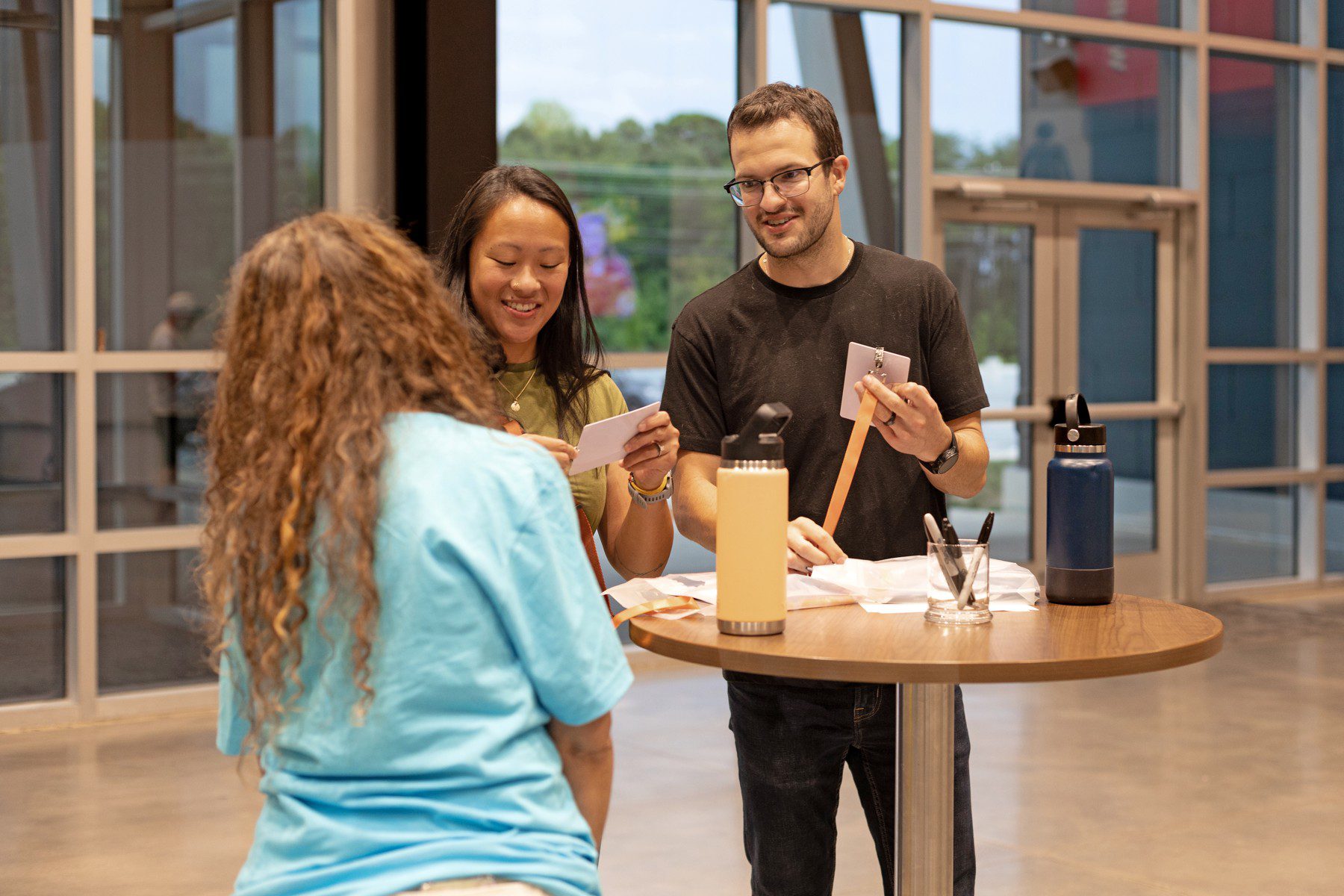
For families carrying that calling, Thrive also provided something that can be difficult to find in the everyday rhythms of foster care and adoption: a community of people who understand.
Between worship, keynote sessions and breakouts came opportunities for conversations and relationships with others who have walked similar roads.
“Community is everything for us. I think a big part of that is definitely within the local church,” says Kirsten, a BCH foster parent with her husband, Graham. “We need community with other foster families, with people who don’t foster but can pour into us, whether it is bringing meals, writing us letters or just showing up for our family even at random.”
Because of families like Kirsten’s, Thrive will return in 2027, continuing to bring together community, resources and gospel-centered encouragement for those who have answered the call to care for vulnerable children.
How do I get involved? Sign up to be a prayer partner and receive ways to lift up vulnerable lives and those who serve them. You can also join a regional event: bchfamily.org/praywithus
Questions about Thrive! and support for foster and adoptive families
What is Thrive!?
Thrive! is BCH’s conference created for foster and adoptive families. The inaugural event was held August 28 and 29 at Mercy Hill Church in Greensboro, and offered gospel-centered worship, biblical encouragement, practical training and time with others who understand the joys and challenges of fostering and adoption.
Who is Thrive! for?
Foster and adoptive families, prospective foster and adoptive families, kinship caregivers, church staff, and others with a heart for vulnerable children.
Will Thrive! happen again?
Yes. Because of families like Kirsten’s, Thrive! will return in 2027, continuing to bring together community, resources and gospel-centered encouragement for those who have answered the call to care for vulnerable children.
What training does BCH offer foster and adoptive families?
Across three breakout periods at Thrive!, participants explored caregiver resilience, supporting biological children, sensory needs, technology, and raising children across cultures. BCH also offers gospel-centered trauma training for families and churches throughout the year.
How can my church support foster and adoptive families?
Community is what families ask for most. As Andrew Hopper told attendees, the local church has an important role in walking alongside vulnerable children and the families who care for them. That can look like bringing meals, writing letters, or simply showing up. Our for churches page has ways to begin.
How do I become a foster or adoptive family with BCH?
Start with our foster care page or our adoption page. You can also sign up to be a prayer partner and receive ways to lift up vulnerable children and those who serve them.