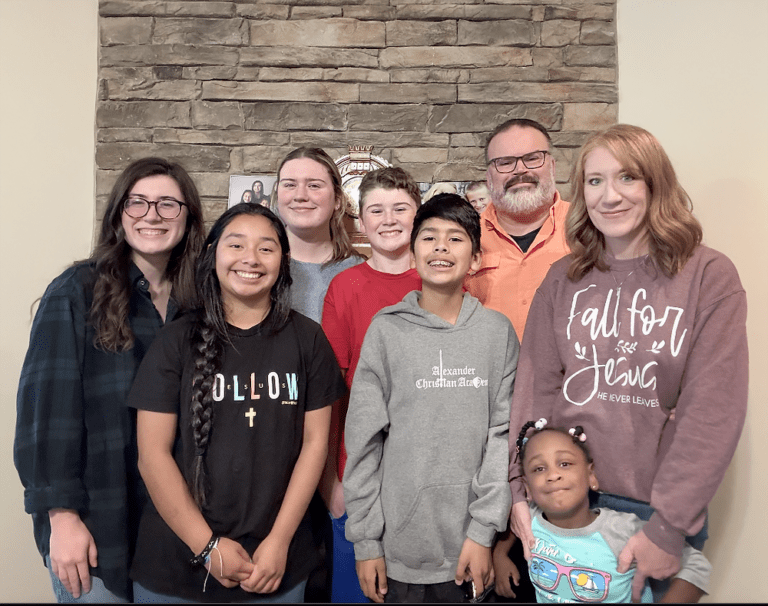
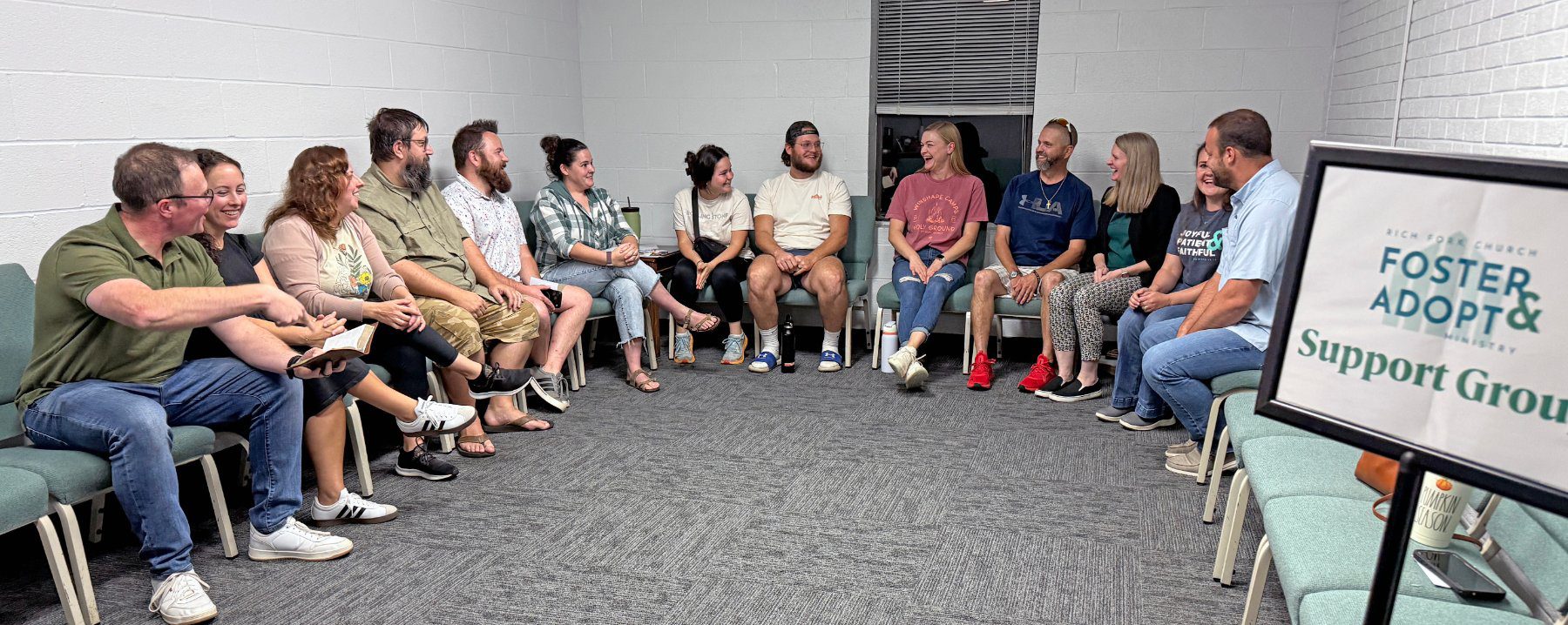
Members of Rich Fork’s foster & adopt support group reflect on the encouragement they find each week, the role the wider church can play, and their advice for any church who wants to begin supporting vulnerable children and families. Their story shows how any church can start a foster care support group, often by simply deciding to start meeting.
What did the group want participating families to know from the start?
“You’re not alone. The church sees you. These people see you. There’s a lot for us to figure out how to do, but you’re not in this alone. You are seen.”
Justin Branch, group leader and Rich Fork worship pastor
Why meet every week?
“I remember being a kid and you get home if you had a hard day at school, you can just take a deep breath and you sit on the couch and it’s done. … [This place] becomes in the middle of the week, that place to finally take a breath because other people get it.”
Grace Wilson, foster and adoptive parent
What changed for a family that fostered for years without a group?
“We’re going into our 11th year of fostering and did that without this group for eight or nine years. And it was infinitely harder than it is now. … When you don’t have someone who relates to that, it’s so isolating. But then God puts together something beautiful like this and it just feels natural and it feels home.”
Jesse Wilson, foster and adoptive parent
Do you have to be a special kind of person to foster?
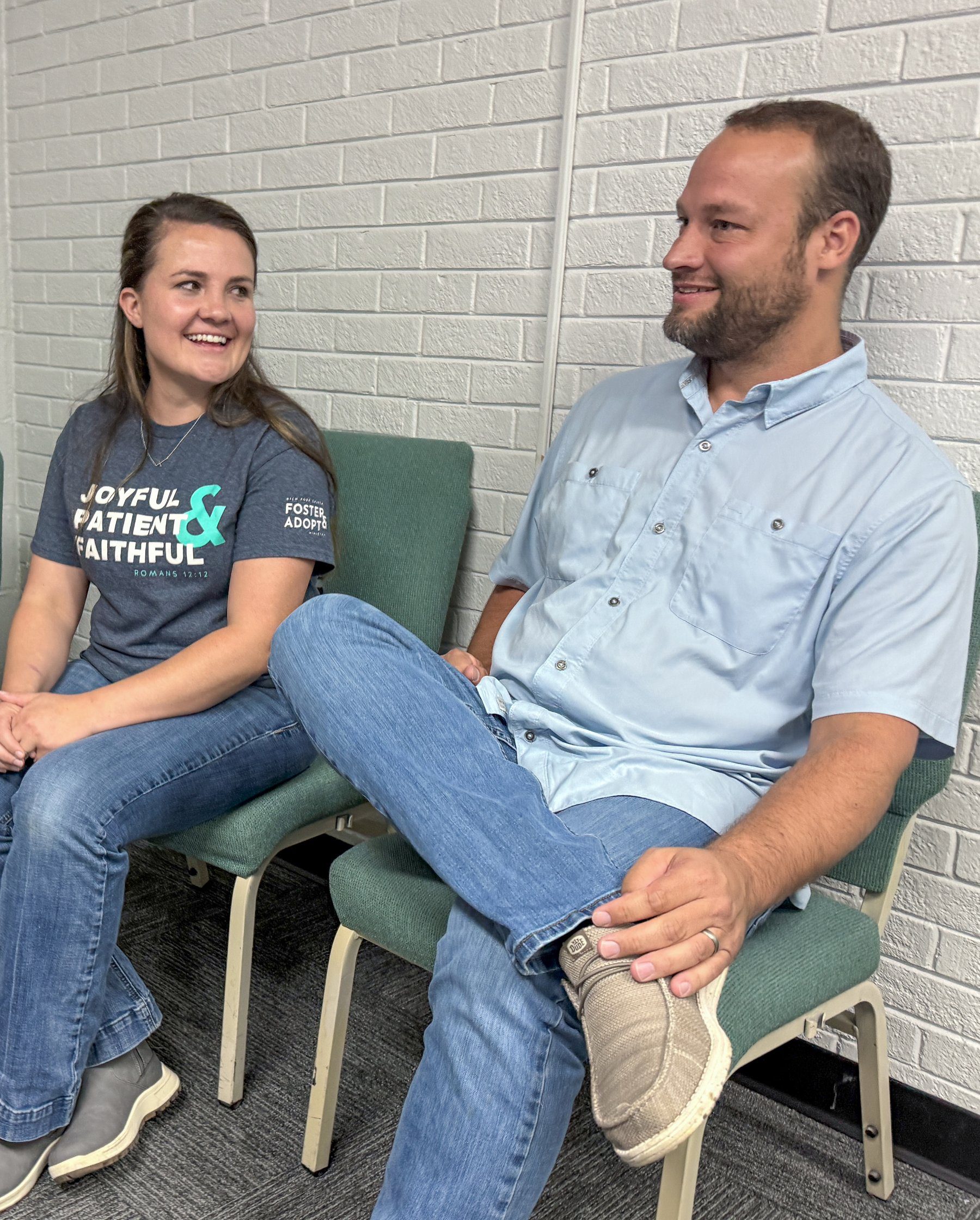
“You just have to be willing and you have to be called and the Lord will equip you. … We’re sinful humans too, doing the work that the Lord has called us to do.”
Bailey Bowers, BCH foster parent
Why does a group like this matter to someone considering foster care?
“This group or a group like it is a promise that you’re not going to have to do it alone and that there are people who understand and will walk, not might walk with you, but will walk with you.”
Jesse Wilson
What if our church doesn’t have foster families yet?
“Remember the DSS workers and have your church just write cards and say, ‘Hey, we’d like to bring coffee to the team,’ or just pray and write cards and pray over them and send them out.”
Justin Branch
Our church feels led, but we don’t know where to begin. Should we wait?
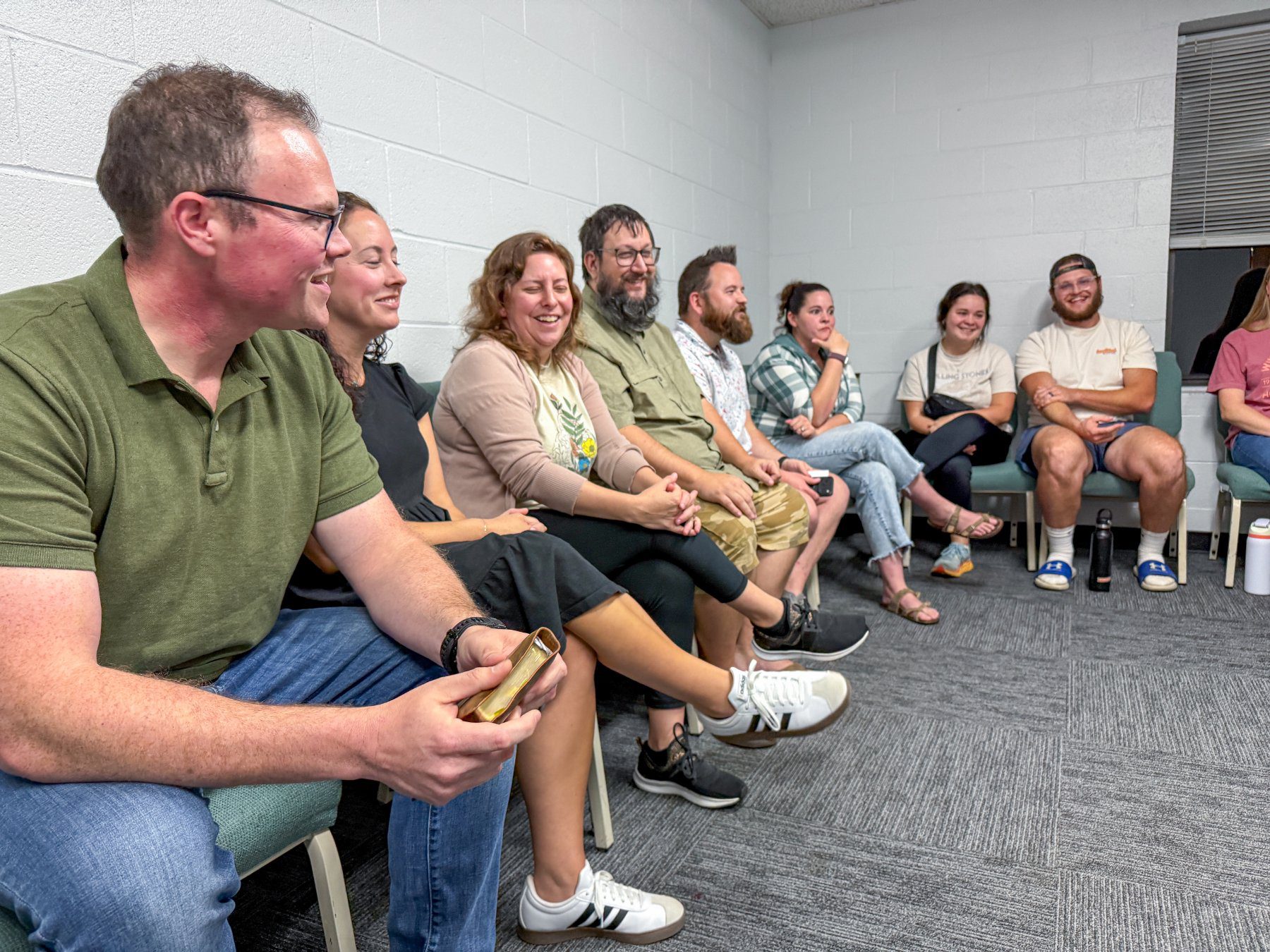
“I would just say children in care can’t wait. The foster families trying to support them can’t wait. Churches don’t have the luxury of waiting.”
Grace Wilson
What practical first steps can a church take?
“Make sure that all of your children’s ministry, youth ministry, preschool ministry volunteers are trauma informed, and Baptist Children’s Homes can help with that. … And contact your local DSS and let them know that you’re starting a support group and you have a space and they’ll share it.”
Bailey Bowers
What happens at a typical meeting?
“If you just have a time for your group members to share what’s going on in their lives, pray together, and then even just find a book. We did Reframing Foster Care [by Jason Johnson] … it was the perfect place to start.”
Jenna Skalicki, foster parent
What if we don’t feel ready?
“You don’t have to have this grand plan because God already does. … He’s asking for our obedience.”
Justin Branch
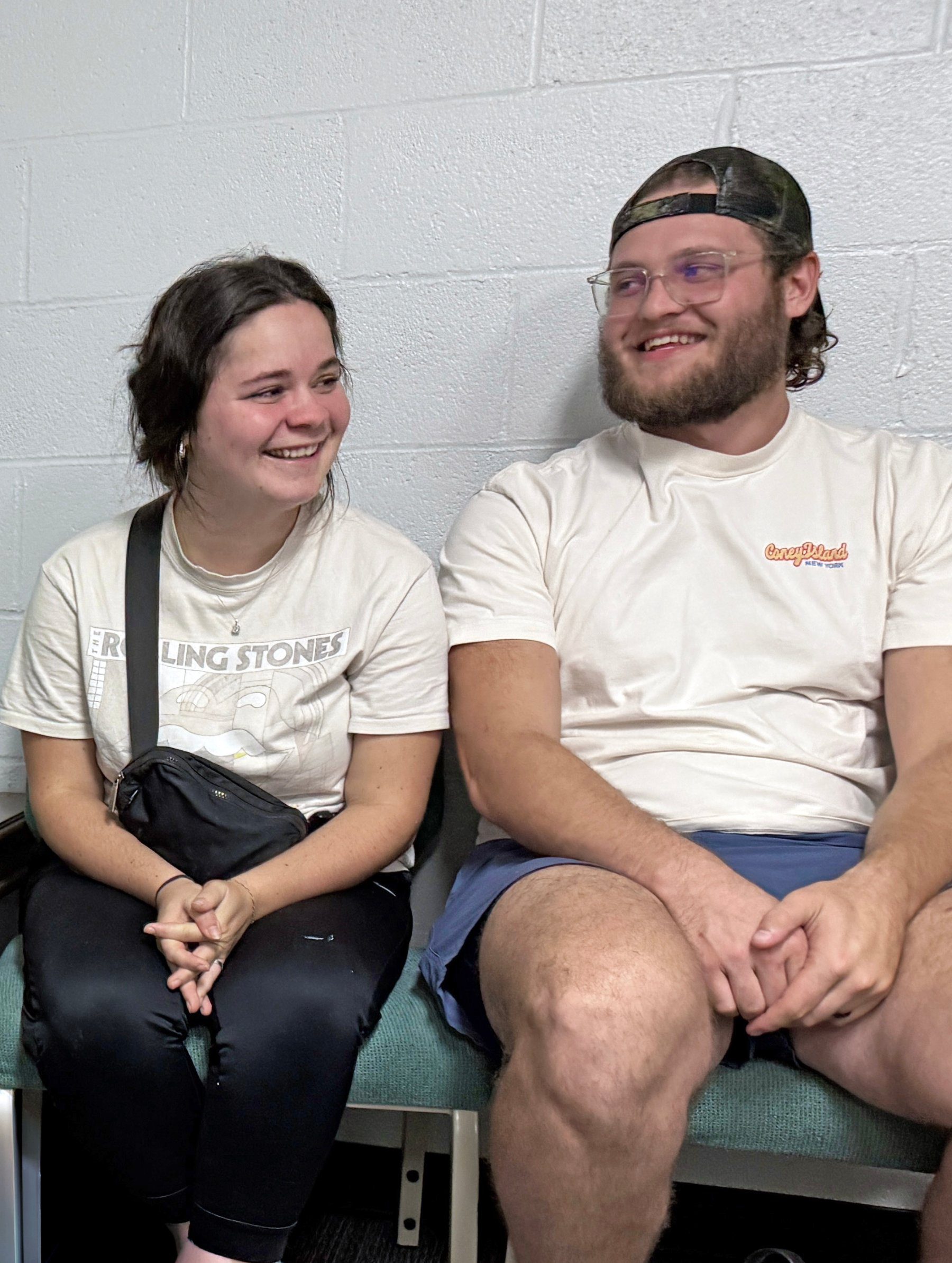
How can a church start a foster care support group?
Rich Fork’s foster care support group began when a few families simply decided to start meeting. Based on what they shared, here are practical first steps any church can take:
- Make sure everyone who serves in your children’s, youth and preschool ministries is trauma-informed before you launch a foster care support group. BCH offers gospel-centered, trauma-informed training for churches.
- Contact your local DSS office to let them know your church is starting a foster care support group and has a space to meet. They will share it with foster families.
- Keep your foster care support group simple: meet weekly, share what is going on, pray together and work through a book such as Reframing Foster Care by Jason Johnson.
- If your church does not have foster families yet, start by praying for your local DSS workers and sending them cards or coffee.
Want help starting a foster care support group at your church? See how BCH equips churches to care for children in foster care and the families caring for them, or learn how to become a foster parent in North Carolina.
I Want to Learn More
It would be our privilege to have a conversation with you as you explore your next step. Filling out the form only takes a moment. Someone from BCH will reach out to you.